This past weekend was
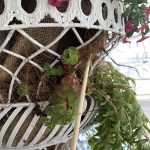
The Beach 91st Street Community Gardens’ plant sale. A big thank you to the garden members who donated plants and helped manage the event. Special thanks to
Walsh Properties, Inc. and Rockaway Beach resident Joanne McGrath for donating so many beautiful perennials and bulbs. Props to The Wave for promoting the sale in The Happenings section last week!
The event was a great success. Most importantly, it was an opportunity for the community to come together and enjoy the garden space, talk about plants, and mingle. It was a fantastic afternoon and we hope to have more community events like this in the future.
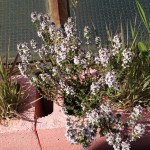
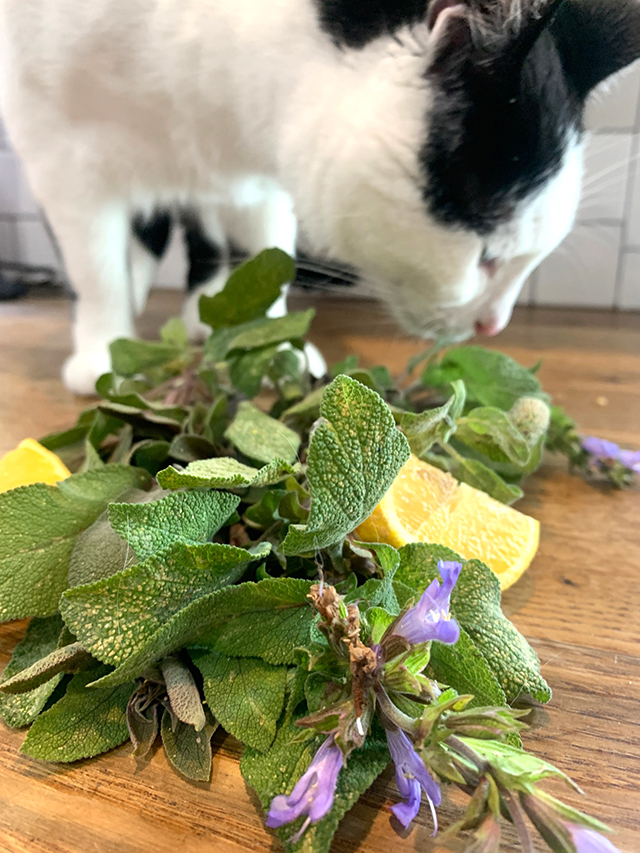
While hanging out in the garden, I was talking to fellow member Theresa Racine about my sage (Salvia officinalis). I purchased it a few years ago from Lisena Garden Center (12-5 Cross Bay Blvd, Queens,). It was an impulse buy. I couldn’t help myself because the plant looked so beautiful and robust. I told Theresa I don’t know what to do with the leaves. Essentially, it’s just been ornamental for me. Theresa knows a lot about herbs and recommended making tea with it. I was totally into the tea idea!
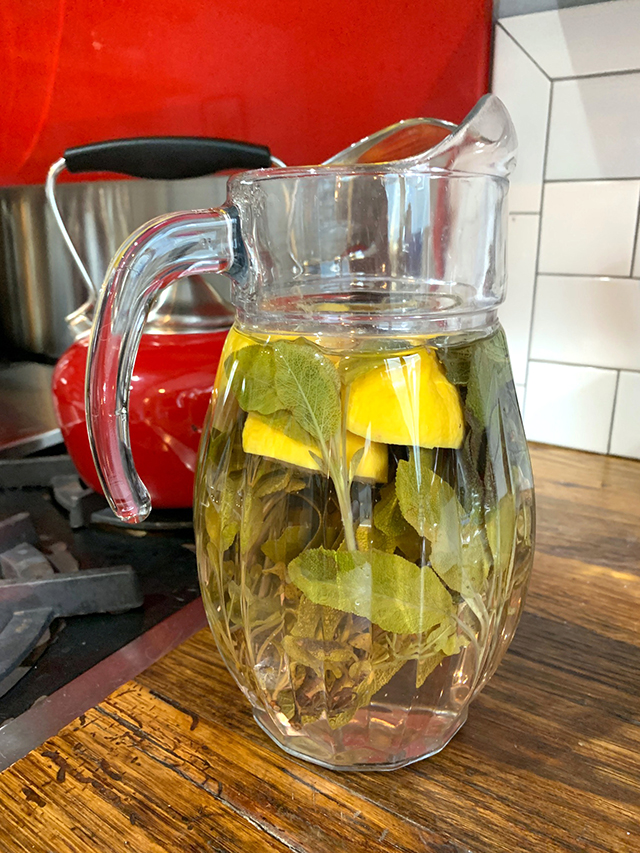
Sage is an aromatic herb in the mint family. It is native to the Mediterranean region. This woody-stemmed shrub can grow two feet tall. It produces delicate purple, pink and sometimes white flowers in early June. The perennial has a rich history of medicinal uses, some of which are for oral health including cold sores, brain alertness, women’s health, skin health, anti-inflammatory properties, and antibacterial effects. The list goes on.
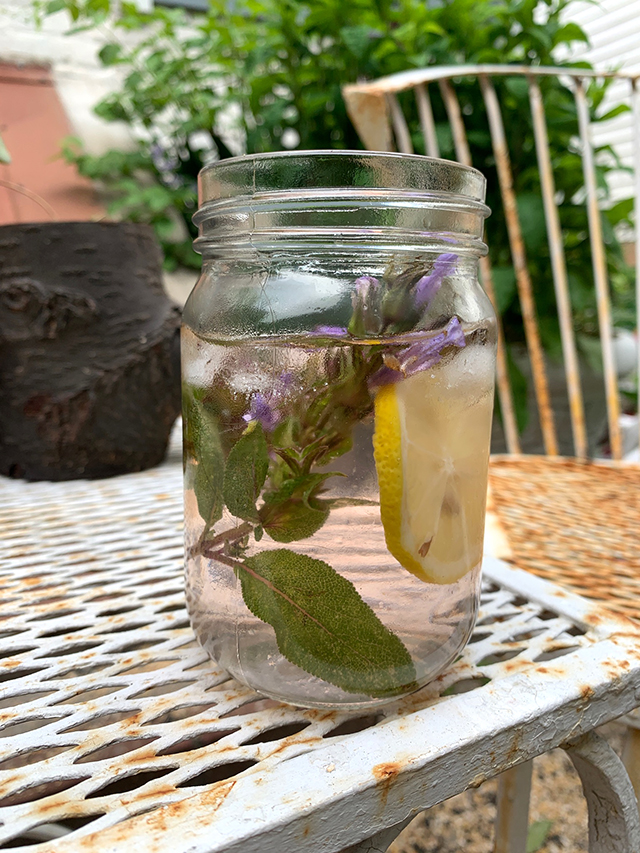
Here’s my recipe for a healthy herbal tea!
Summer Sage Infused Tea With Lemon
Ingredients:
8 cups water
3 large sprigs of sage
2 lemons
Directions: Thoroughly clean the sage and remove any unhealthy leaves. In a teapot, boil eight cups of water. Cut two lemons into halves. Combine the ingredients into the hot water and let the herb infuse for at least two hours. Serve over ice. Save the sage flowers for a beautiful presentation.
Billions of cicadas known as Brood X are emerging after 17 years living in their underground world. When will they arrive in Rockaway?! As a gardener, I’m so intrigued with these rare insects. The ground temperature needs to be about 65 degrees to trigger their surfacing. Which was estimated by scientists to be mid-May in New York. It’s the first week of June now and I haven’t seen any on the peninsula. I’m upset!
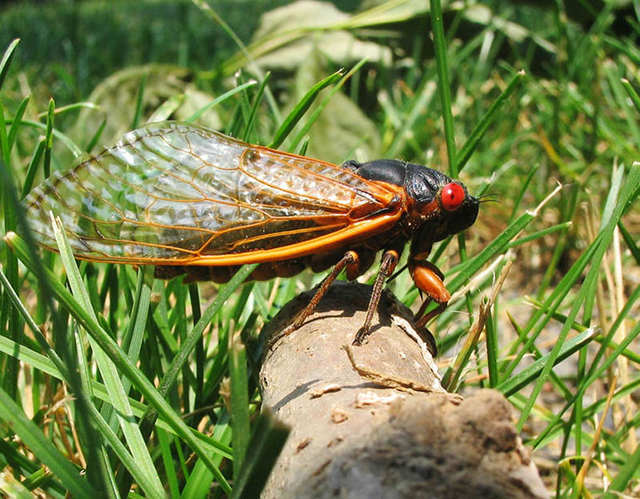
Cicadas remind me of an alien species from the Delta Quadrant. Brood X has two distinctive red eyes. And an additional three more smaller eyes on their forehead! Photo via wikipedia.org
During their long life underground, these periodical cicadas are feeding on sap from trees and other plant liquids. The cicadas are molting, forming into their adult selves. The insects emerge into our world to mate. A few weeks later their life cycle ends. Speaking of mating, the distinctive buzz that the cicada makes with a special organ (not their wings) is a call from the males, luring their female counterparts. Some people find the constant “white noise” an annoyance, but I like it! One female lays 400-600 eggs, ensuring the next generation survives.
After all, the sheer numbers of them, once above ground, is a rich food source to many animals, including squirrels, birds, wasps and … humans. Yup, cicadas are edible and people collect them for use in salads, smoothies, and tacos. Maybe this year they’ll be the big foodie craze. The obvious next question… What do they taste like? The internet says the taste is “akin to asparagus.” Note, if you are allergic to shellfish, experts warn not to consume them.
So much has changed in 17 years. What were you doing in 2004? I was one year out of college freaking out, looking for a “real job” while working at Michael’s Craft store. Politics has changed, Rockaway has changed, the environment has changed, the world has been turning while Brood X has been living their calm sap-sucking lives below ground. One interesting and disturbing fact I learned while watching a clip online is that infrastructure, especially in NYC, has changed dramatically over this two decade period. And it will affect some cicadas’ emergence. For instance, if the insects went underground at an undeveloped plot of land and now that site is a highrise building. they will not be able to break free. Entomologists are keeping a close eye on this and have mapped out generations of perocials locations, studying the impact on their numbers and movements. Long Island is supposed to be a cicada hot spot, ugh counter urbanization.
Maybe another reason I’m so fascinated by cicadas is a connection I have with them from my childhood. There are many species of cicadas. The more familiar ones are green and larger than the dark, red-eyed periodicals. As a kid, I remember seeing the green iridescents and their light brown shells everywhere during the summer. So much so that my sisters and I created a cicada hospital and research lab one year. There was this kid down the street named Jimmy. He and his friends would pull the wings off the insects and chase us girls with them in hand. My sisters and I would rescue the injured cicadas and make a hospital for them in the canopy of the evergreens in my parents’ backyard. We would bring them water and make them comfortable, “patient on branch two needs a check-up.” I’m sure our efforts were for naught, but our intentions were genuine. If one passed away, my sister dissected it for her “research.” She wanted to be a veterinarian when she grew up (ended up a doctor!). Our Cicada hospital gave me an appreciation and respect for the value of living things, even the smallest of creatures, and this sentiment has stayed with me throughout my life.
It’s clear I’ve been obsessing over Brood X. I wake up every morning hoping to hear a faint buzz, the indicator of their arrival. Please, if you’ve spotted these beautiful insects in your backyard or somewhere in Rockaway, Broad Channel, or Breezy, please get in contact: @theglorifiedtomato on Instagram.
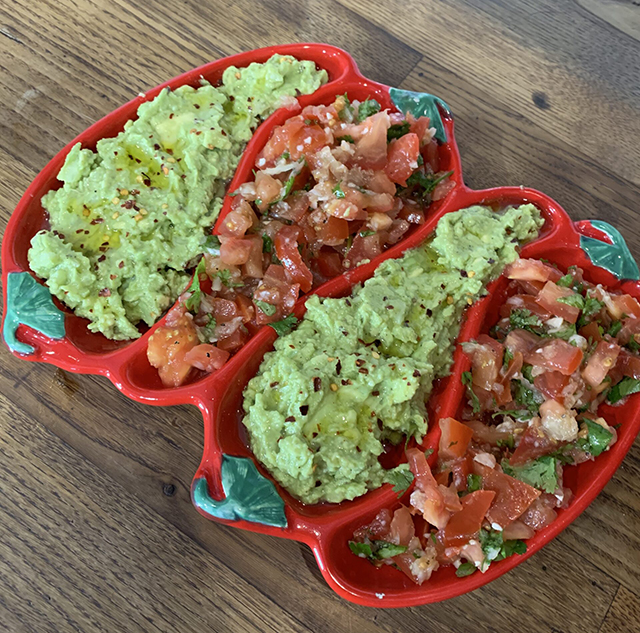
Confession. I’ve made guacamole only a handful of times in the past few years. This is because Key Food, on Beach 87th and Rockaway Beach Blvd. has an absolutely delicious guacamole. Guac is a bit of a chore to make and it’s just so easy to grab the container off the shelf. The one I get has the deli label on it, and they have it on Fridays throughout the weekend.
For a person who is “almost vegetarian,” avocados add richness and satisfaction to meals. Not to mention they contain healthy fats and a multitude of vitamins. There’s actually a name for people like me: “flexitarians.” It’s a style of eating that is mostly plant-based foods while incorporating some animal products but in very small amounts. It has flexibility rather than the strictness of being vegetarian or vegan – as the name implies.
However, for a recent get-together, I was asked to bring guacamole, which in this case involved a large quantity. So I went into mass production mode and made it myself. This recipe is a tasty one!
Don’t skip the olive oil.
Guacamole
Ingredients:
4 avocados – pitted and mashed
1-2 limes, juiced (or lemon)
1 small white onion diced
A handful of fresh cilantro
1-2 garlic cloves minced
A healthy pour of Colavita olive oil
Salt, fresh ground pepper, cayenne pepper and red pepper flakes to taste
Direction: Using a sharp knife and cut through the avocado to the pit, moving around the pit, on the long diameter of the fruit. Squeeze and scoop out the fruit. Combine all the ingredients and mix together. Add a layer of lemon juice on top to prevent the avocado from browning. Refrigerate for one hour before serving.
A few important tips:
- Make the guacamole the day of your party.
- Make sure you have enough lemon or lime juice to cover the top layer. Seal in an airtight container to prevent browning.
- Buy two extra avocados just in case when you open them, they’re overripe. I often think I picked the perfect avocado and then come home and find out it’s not
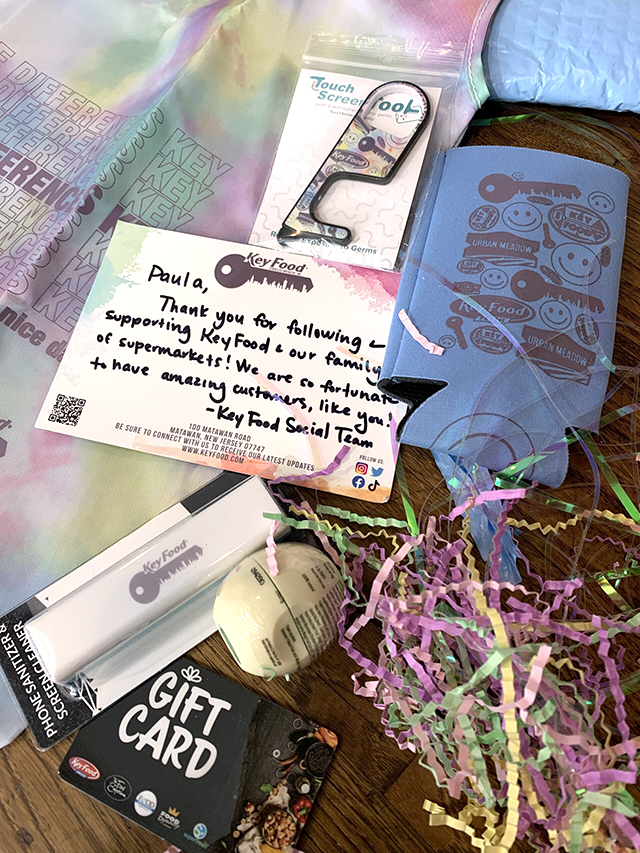
Speaking of Key Food, I have to mention that they contacted me on Twitter and wanted to send me a swag bag because I’m a valued customer. I was surprised and delighted. Then again, I do tweet about their great produce and compressive international isle often – #keyfoodie. Does this mean I’m a food influencer now?
For more recipes follow me day-to-day on Instagram @theglorifiedtomato
It’s growing season in the Beach 91st Street Community Garden. Two weeks ago we had our first group clean-up/workday. It was wonderful to see my neighbors that I haven’t spoken to all winter and to meet a few newbies to Rockaway that are now a part of our garden. We overturned our beds, added compost, and weeded.
Many gardeners’ kale overwintered, and the plants bolted with flora. The bees were loving the bright yellow flowers that reached two feet tall!
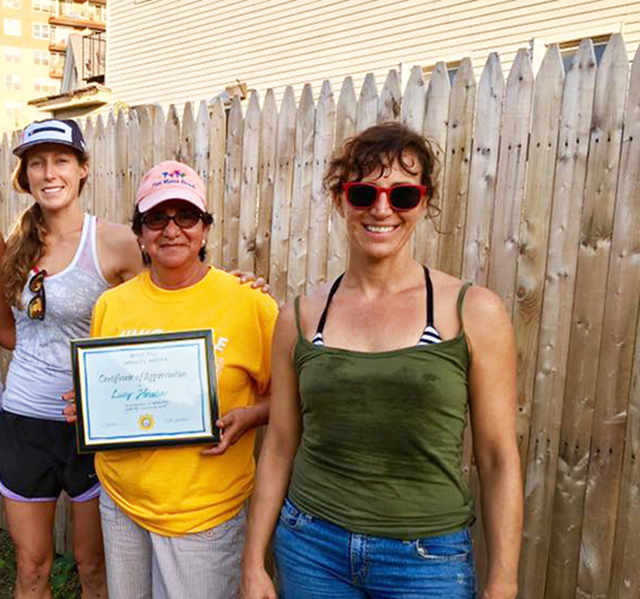
Lucy (center) and Riva, (right) several years Back. Lucy won the _Gardener of the Season_ award presented by then garden manager Annie Mcbride (left)
We started talkin’ “garden shop.” Member Riva Richmond was asking what she should do with the kale from last year. Lucy Heredia, one of our most experienced gardeners, mentioned trimming back the flowers to boost leaf growth. Lucy also said the flowers are edible! This intrigued all of us.
Lucy shared with us that she was born and raised in Ecuador. Her parents had a small farm where they planted fruits and vegetables. Her mother used to make a rice dish with peas, rice and added kale flowers at the end. So she learned about the edible flowers from her mother, as a child. Lucy also mentioned that you can eat broccoli rabe flowers as well, but she prefers the buds of kale.
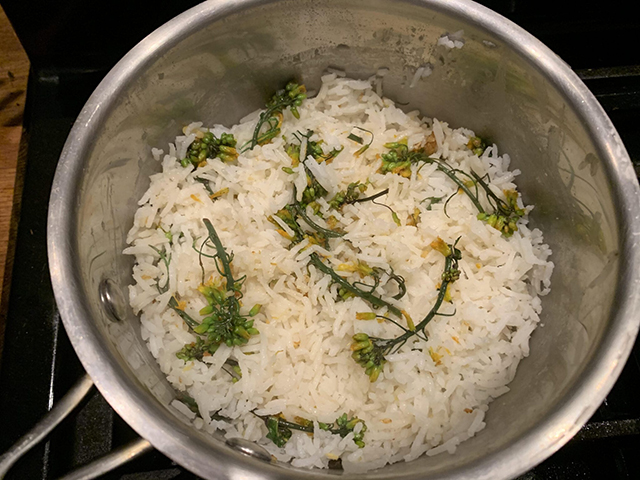
Riva was inspired by Lucy’s suggestion and cooked with her kale flowers. “I sautéed my kale florets in olive oil and garlic and added some lemon zest and a good squeeze of lemon. Then mixed them into basmati rice. It was very nice! I served that with steamed broccoli and yummy grilled chicken.”
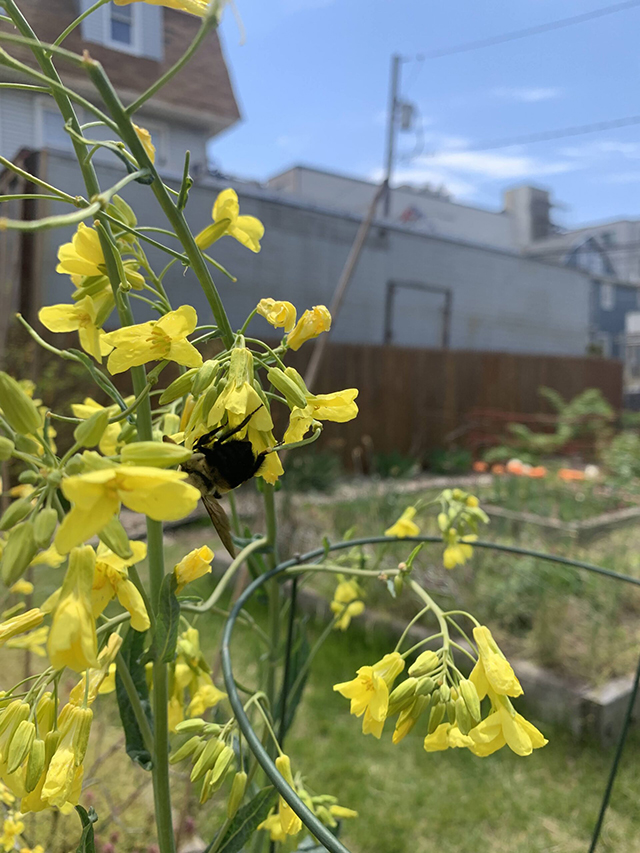
Don’t worry we kept plenty of flowers on the plant for the bees!
Kale is part of the cabbage family and there are many different varieties. This leafy green is jam-packed with vitamins, specifically, it’s the best source of vitamin K. One would not think this, but kale is also a good source of calcium. Additionally, It contains antioxidants and omega 3 fats. It may reduce the risk of heart disease and has compounds that are believed to protect against cancer. Kale is king (and it flowers Queen)!
If you cook with kale flowers tag @beach91communitygarden on Instagram and we will share your photos!
I want to mention that the Beach 91st Street Community Garden will be hosting a plant sale on Sunday, June 6, at 12pm. We’ll have outdoor perennials, tubers, and indoor plants for sale, all homegrown in Rockaway Beach. More info to come, save the date!